

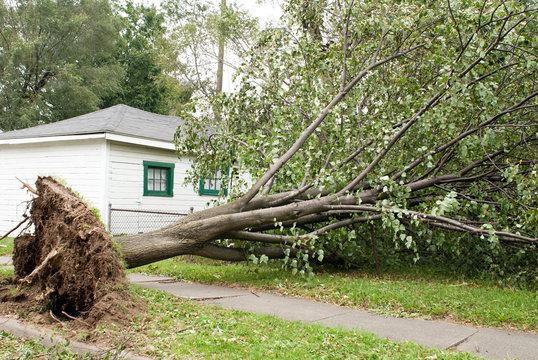
Hearing a tree come crashing down during a storm is enough to make anyone’s heart race. Maybe a large branch landed across your driveway, an entire tree fell onto your roof, or strong winds brought down an aging tree in your backyard. For homeowners in Sayville, NY, and throughout Long Island, storm damage can happen quickly, leaving you wondering what to do first and who to call for help.
If a tree falls on your property, your first priority should be keeping everyone safe and staying away from the damaged area. Never approach a fallen tree that is touching power lines, leaning against a structure, or resting under tension. Once immediate hazards have been addressed by the appropriate emergency personnel or utility provider, professional tree removal services can help assess the damage and determine a safe removal plan.
Here’s what Long Island homeowners should know:
- Stay away from fallen trees and electrical wires: Downed power lines can remain energized even when they aren’t sparking.
- Call 911 for immediate danger: If someone is injured, a tree has created an immediate life-safety threat, or electrical hazards are present, emergency responders should be your first contact.
- Document damage from a safe location: Photographs and written notes may help when discussing property damage with your insurance company.
- Leave removal to experienced professionals: Fallen trees can shift unexpectedly because of their weight, position, and damaged branches.
- Arrange professional assessment after storms: Homeowners in Sayville and surrounding Suffolk County communities should also watch for nearby trees with newly damaged limbs or exposed roots.
At Integrity Tree Care, we help Long Island homeowners manage storm-damaged trees through professional removal, emergency tree services, and stump grinding. Based in Sayville, we understand the challenges that severe weather can create for residential properties, and we focus on addressing tree hazards with appropriate equipment and professional care.
What Should You Do Immediately After a Tree Falls on Your Property?
Immediately after a tree falls on your property, move everyone away from the affected area and determine whether emergency responders or the electric utility need to be contacted. Do not approach the tree to investigate damage, especially if it has struck your house, become tangled in wires, or left branches suspended overhead.
Step 1: Check on Everyone’s Safety
Make sure everyone in your household is accounted for and away from the damaged area. If a tree has struck your home and you suspect structural damage, move to a safe location without passing beneath damaged ceilings, branches, or unstable building materials.
If anyone is injured or there is an immediate threat to life, call 911. Avoid entering damaged sections of the property until qualified personnel determine that it is safe.
Step 2: Look for Electrical Hazards From a Distance
A fallen tree may have brought down electrical wires or damaged nearby utility equipment. Never assume that a line is safe because the electricity appears to be out.
PSEG Long Island advises residents to treat all downed wires as energized and stay well away from them. To report a downed wire, contact PSEG Long Island at 800-490-0075 or call 911.
Do not touch the tree, nearby fences, vehicles, or other objects that may be in contact with electrical wires. Utility personnel must address electrical hazards before tree removal work can safely proceed.
Step 3: Avoid the Damaged Tree
Even when electrical lines aren’t involved, a fallen tree can remain extremely dangerous. Heavy trunks, unstable root systems, and broken branches may shift without warning.
Homeowners should never climb onto the tree, attempt to cut it, or move branches themselves. Professional storm damage tree removal involves evaluating these forces before work begins.
Why Do Trees Fall During Long Island Storms?
Trees often fall during Long Island storms because strong winds, saturated soil, weakened roots, or structural defects overwhelm their ability to remain standing. In Sayville and other South Shore communities, coastal weather patterns can contribute to conditions that place additional stress on mature trees.
Strong Coastal Winds
Long Island experiences coastal storms, nor’easters, and occasional tropical systems that can produce powerful wind gusts. These conditions may break large branches or uproot entire trees, particularly when their structure has already been weakened.
Properties near the Great South Bay and other exposed waterfront areas may experience substantial wind during severe weather. However, inland neighborhoods can also suffer significant tree damage when storms move across Suffolk County.
Saturated Soil and Root Problems
Heavy rainfall can saturate the ground surrounding a tree’s root system. When the soil becomes waterlogged, its ability to hold roots securely may decrease, especially during high winds.
Trees with damaged, decaying, or restricted root systems may be more vulnerable. A professional assessment can help determine whether nearby trees have developed conditions requiring attention.
Hidden Decay and Weak Branch Connections
Some trees experience internal decay or structural weaknesses that aren’t immediately obvious from the ground. Large limbs with poor attachments may also become vulnerable during strong winds.
Not every damaged tree must be removed, but certain conditions can increase the likelihood of future failure. Professional evaluation helps identify appropriate pruning or removal options.
What Are the Warning Signs of a Dangerous Storm-Damaged Tree?
Warning signs of a dangerous storm-damaged tree include a sudden lean, exposed roots, major trunk cracks, broken branches suspended overhead, and significant damage to the crown. For homeowners in Sayville, recognizing these conditions after a storm can help determine when an emergency tree service should be contacted.
Watch for these warning signs from a safe distance:
- A sudden lean: The tree appears tilted in a way it wasn’t before the storm.
- Exposed or lifted roots: Soil around the base has moved, or sections of the root system are visible.
- Large trunk cracks: Deep splits appear along the trunk or major branches.
- Hanging branches: Broken limbs remain suspended in the canopy.
- Damaged branch connections: Major limbs appear partially separated from the trunk.
- A tree resting against another tree: Fallen or leaning trees remain supported by unstable surrounding branches.
- Damage near structures or utilities: Trees or branches threaten a roof, garage, driveway, fence, or electrical equipment.
These signs warrant professional attention rather than close investigation by the homeowner. Keep people and pets away from the affected area until the hazards have been assessed.
What Should You Do if a Tree Falls on Your House?
If a tree falls on your house, stay out of the damaged area, contact emergency services when immediate hazards are present, and arrange for qualified professionals to assess the structure and tree. Homeowners should not attempt to move branches from the roof or enter rooms beneath suspected structural damage.
Protect Your Household First
A fallen tree can damage roofing, framing, windows, and other building components. Even if the damage looks relatively minor from outside, the structure may have hidden weaknesses.
Avoid standing beneath the tree or entering rooms where ceilings appear damaged. If electrical hazards, gas concerns, or other immediate dangers exist, contact the appropriate emergency service or utility provider.
Contact Your Insurance Company
Once you’re safe, notify your homeowners insurance company and explain what happened. Your insurer can provide instructions about documentation, claim procedures, and any requirements involving temporary protective measures.
Coverage depends on the terms of your individual policy and the circumstances of the loss. A tree falling onto a house may be handled differently from one that falls harmlessly into the yard.
Arrange Professional Tree Removal
When a fallen tree is resting against a home, its weight and position must be evaluated before removal begins. Cutting the wrong section can cause the remaining trunk or branches to shift unexpectedly.
Our professional tree removal services help homeowners address storm-damaged trees using appropriate equipment and controlled removal methods. The approach depends on the tree’s position, surrounding hazards, and property conditions.
When Should You Call for Emergency Tree Service in Suffolk County?
You should call for emergency tree service in Suffolk County when a fallen or damaged tree threatens a structure, blocks an essential access route, or presents a significant risk of additional collapse. If power lines are involved, utility personnel or emergency responders must address the electrical hazard first.
For homeowners in Sayville, Bayport, Oakdale, and West Sayville, prompt professional evaluation can help determine whether the tree requires urgent removal or whether work can be scheduled after the immediate storm conditions pass.
At Integrity Tree Care, we provide emergency tree service in Long Island for residential properties affected by fallen trees, damaged branches, and other storm-related tree hazards. We assess the situation and discuss appropriate removal options based on current conditions and scheduling availability.
If the tree has fallen without threatening people, buildings, utilities, or access, the situation may not require the same level of urgency. However, professional removal remains important because even a tree lying on the ground can contain dangerous tension.
How Does Professional Fallen Tree Removal Work?
Professional fallen tree removal begins with assessing the tree’s position, structural damage, nearby utilities, and surrounding property. Once hazards are identified and the work area can be safely accessed, experienced crews determine an appropriate removal method using equipment suited to the situation.
Evaluating the Tree and Surroundings
The first step involves understanding how the tree fell and what may happen as sections are removed. A trunk resting on a roof requires different handling from a tree lying across an open yard.
Nearby fences, sheds, landscaping, and other trees can influence the removal approach. Electrical hazards must be cleared by the appropriate utility provider before work begins.
Controlled Removal of Branches and Trunk Sections
Professional crews may use rigging, specialized cutting methods, and other appropriate equipment to manage heavy sections of the tree. The goal is to avoid uncontrolled movement that could create additional hazards.
Our tree removal services are designed to address different tree sizes and property conditions. We evaluate the work required before selecting a removal approach.
Debris Removal and Property Cleanup
After the main tree is removed, branches and other debris may need to be collected and cleared. The scope of cleanup depends on the services arranged and the condition of the property.
Homeowners should ask what is included in the removal estimate, particularly when storm damage involves multiple trees or substantial debris.
Should You Remove the Stump After a Storm?
Stump removal or grinding may be appropriate after storm damage when the remaining stump interferes with landscaping, creates an obstacle, or makes future yard maintenance difficult. For Sayville homeowners, the decision depends on whether the tree was uprooted entirely or left a stump and root system behind.
When Stump Grinding Makes Sense
A remaining stump can make mowing, landscaping, and property maintenance less convenient. It may also interfere with plans for new planting or outdoor improvements.
Our stump grinding services can help address suitable remaining stumps after tree removal. The appropriate method depends on the stump’s size, location, and surrounding conditions.
When Additional Site Work May Be Necessary
An uprooted tree can leave a large root plate and disturbed soil behind. These situations may require additional evaluation because the remaining root system and ground conditions differ from an ordinary standing stump.
We can discuss the available options after assessing the site. Homeowners should also consider whether separate landscaping or soil restoration work will be needed.
How Can You Document Fallen Tree Damage for Insurance?
You can document fallen tree damage by taking photographs from a safe location, recording the date and circumstances of the storm, and keeping records of professional assessments and removal expenses. For Suffolk County homeowners, organized documentation can make communication with an insurance company easier after severe weather.
Consider these steps:
- Photograph visible property damage from a location that doesn’t require approaching the tree.
- Record when the incident occurred and any relevant storm conditions.
- Save estimates and invoices from qualified tree service providers.
- Keep photographs of damaged structures and personal property when they can be taken safely.
- Document communications with your insurance company.
- Confirm whether the insurer has instructions regarding cleanup or temporary protective measures.
Avoid delaying necessary emergency action solely to collect photographs. Safety comes first, and insurers can explain what documentation they require when immediate circumstances prevent a complete record.
Insurance coverage varies by policy and the nature of the damage. Professional tree removal companies cannot guarantee that a particular claim or expense will be reimbursed.
What Tree Removal Mistakes Should Homeowners Avoid After a Storm?
The most dangerous mistakes after a storm include approaching unstable trees, attempting DIY removal, and failing to recognize electrical hazards. Long Island homeowners should also avoid assuming that a tree is harmless simply because it has already fallen.
One mistake is attempting to cut a fallen trunk with a chainsaw. The wood may be supporting substantial weight or holding tension that can cause sudden, unpredictable movement.
Another mistake is trying to move branches that are touching power lines. Electrical current can travel through connected materials, making even indirect contact dangerous.
Finally, avoid walking beneath broken limbs that remain suspended overhead. These branches can fall unexpectedly, particularly when additional wind or movement affects the damaged tree.
A Common Fallen Tree Scenario in Sayville, NY
A common Sayville scenario involves a homeowner waking up after a strong coastal storm to discover that a large backyard tree has fallen across the driveway. Several heavy branches remain tangled in another tree, and part of the trunk is resting against a fence.
The homeowner keeps everyone away from the affected area and contacts a professional tree service for an assessment. A crew evaluates the unstable branches, surrounding property, and appropriate equipment before beginning removal.
This is an illustrative scenario rather than an actual customer project. It demonstrates why professional storm damage tree service is important even when a fallen tree hasn’t directly struck the house.
How Can You Reduce the Risk of Future Storm Damage?
Reducing the risk of future storm damage involves regular tree inspections, appropriate pruning, and identifying structural weaknesses before severe weather arrives. For homeowners throughout Sayville and the surrounding South Shore, preventive tree care can help address certain hazards, although no tree can be made completely storm-proof.
Schedule Tree Assessments
Mature trees can develop problems that aren’t obvious during everyday observation. A professional assessment may identify structural defects, dead branches, or conditions requiring closer attention.
For properties with large trees near homes or driveways, periodic evaluation can support informed maintenance decisions.
Address Damaged or Unstable Branches
Appropriate pruning can remove certain damaged limbs and help manage tree structure. However, overpruning or improper cutting can create additional problems.
Our tree trimming and pruning services help homeowners care for trees while addressing appropriate maintenance concerns. We can also discuss removal when a tree presents risks that cannot reasonably be managed through pruning.
Prepare Before Storm Season
Long Island experiences coastal storms, strong winds, and occasional tropical weather systems. Homeowners should consider arranging tree assessments before periods when severe weather is more likely.
Taking action early may reduce certain risks and provide time to plan necessary tree work before damage occurs.
Why Choose Integrity Tree Care for Storm Damage Tree Removal?
Choosing an experienced local tree service can help homeowners navigate storm damage with knowledgeable assessment and professional removal methods. Based in Sayville, Integrity Tree Care serves Long Island and the Five Boroughs, providing tree removal, trimming, pruning, stump grinding, and related tree care services.
We are fully licensed and insured and work with residential and commercial customers. Our services include handling trees of different sizes and addressing removal challenges involving nearby structures or difficult property conditions.
We serve Sayville, Bayport, Oakdale, West Sayville, Bohemia, Patchogue, and surrounding Suffolk County communities. When storm damage affects your property, we can discuss your circumstances and determine appropriate next steps.
[Request Emergency Tree Service]
What Can Happen if You Delay Removing a Dangerous Fallen Tree?
Delaying removal of a dangerous fallen tree can allow unstable branches or trunks to create additional hazards, particularly when they remain supported by damaged structures or other trees. In Sayville, changing weather conditions and additional wind may increase concerns involving already compromised trees.
However, not every fallen tree requires immediate emergency removal. A tree resting safely in an open area presents different concerns from one leaning against a home or threatening a utility line.
Professional assessment helps establish the appropriate priority. Homeowners should keep the affected area restricted until the situation has been evaluated.
[Contact Us About Fallen Tree Removal]
Frequently Asked Questions About Fallen Trees on Long Island
What should I do first if a tree falls in my yard in Sayville, NY?
Move everyone away from the affected area and check for immediate hazards without approaching the tree. If electrical wires, injuries, or serious structural dangers are involved, contact emergency responders or the appropriate utility provider. Arrange professional tree removal once the situation can be safely assessed.
Who should I call if a tree falls on a power line on Long Island?
Call PSEG Long Island at 800-490-0075 or 911 immediately to report a downed power line. Always assume the wire is energized and keep people and pets away from the area. Do not touch the tree or attempt to remove branches until utility personnel have addressed the hazard.
Does homeowners insurance cover fallen tree removal in Suffolk County?
Homeowners insurance may cover certain fallen tree removal expenses, depending on the cause of the damage, affected property, policy limits, and applicable exclusions. Coverage isn’t automatic for every tree that falls. Contact your insurer, document the incident safely, and review the specific provisions of your policy.
Can a fallen tree damage my house after the storm has ended?
Yes, an unstable fallen tree may shift after the storm, particularly if its trunk or branches remain under tension. Additional movement can create risks to nearby structures or property. Homeowners should avoid the affected area and arrange professional assessment rather than attempting to stabilize the tree.
How quickly can emergency tree removal be scheduled in Sayville?
Emergency tree removal scheduling depends on the severity of the situation, weather conditions, crew availability, and whether utility or emergency personnel must first address hazards. We provide emergency tree services and can discuss the circumstances when you contact us. Immediate or same-day availability should be confirmed directly.
Should I have a stump ground after a tree is removed?
Stump grinding may be worthwhile when the remaining stump interferes with mowing, landscaping, or other property uses. We provide stump grinding services for suitable residential projects throughout Long Island. The appropriate approach depends on the stump’s location, condition, and surrounding obstacles.
Is it safe to remove small branches from a fallen tree myself?
Homeowners should avoid approaching or cutting fallen trees and storm-damaged branches, even when some sections appear small. The larger tree may contain hidden tension or unstable supporting limbs. Professional crews can evaluate the situation and determine which materials can be removed safely.
Does Integrity Tree Care offer emergency tree service throughout Suffolk County?
Yes, we provide emergency tree services for homeowners in Sayville and surrounding Suffolk County communities. Our work includes tree removal and other professional tree care services. Contact us to explain the damage and discuss the appropriate response and available scheduling.
Get Your Property Back on Track After Storm Damage
Discovering a fallen tree on your property can be overwhelming, especially when you’re worried about damage to your home, nearby power lines, or the safety of your family. The most important thing is recognizing that storm-damaged trees can remain dangerous long after the weather clears, making professional evaluation essential before removal begins. At Integrity Tree Care, we help homeowners throughout Sayville and Long Island address fallen trees, damaged branches, and related property concerns through experienced tree removal and emergency tree services. Our team can evaluate the situation, explain the work involved, and discuss removal or stump grinding options appropriate for your property. Whether a tree has fallen across your driveway, damaged a fence, or created a serious hazard near your home, we’re here to help you move toward a safer, more manageable situation.