

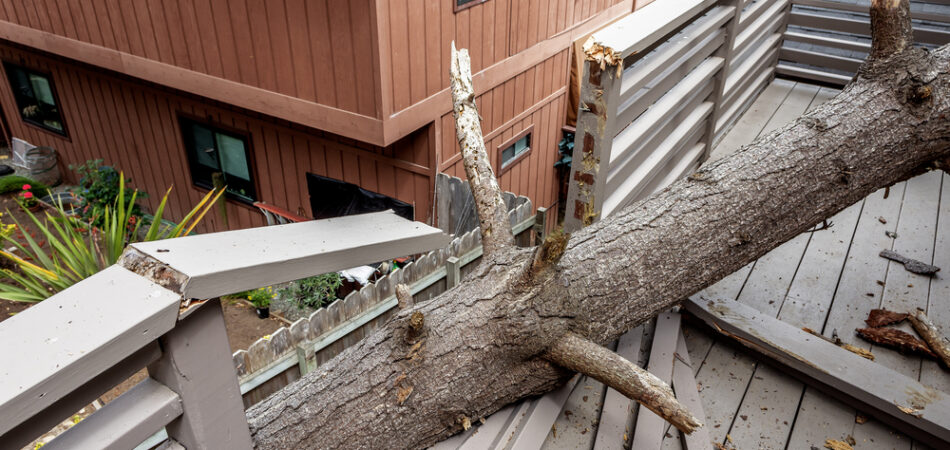
Winter storms in Long Island bring heavy winds, snow, and ice that place enormous stress on weakened trees. When a tree is already dead or deteriorating, these conditions magnify the risks that property owners face. Dead tree removal, Long Island homeowners should know, is not simply a seasonal chore. It is a crucial safety measure that protects homes, vehicles, and the people who live around compromised trees. Dead trees lose structural integrity as they dry out, making them brittle and unpredictable. Once temperatures drop and storms roll in, these weakened trunks and branches can snap without warning. Professionals who focus on hazardous tree removal advise that proactive action during the fall months is one of the best ways to reduce winter related tree damage.
Dead trees also decline faster during fall because moisture levels change and fungal growth accelerates. This rapid internal decay is difficult to see from the outside. Many homeowners assume a dead tree is stable as long as it is still standing, but internal rot often grows silently. The real danger becomes evident only after winter arrives and strong winds expose the weakened wood. Taking a preventative approach to tree removal, Long Island residents can ensure the safety of their outdoor spaces long before storms arrive. Addressing the problem early supports community safety and eliminates the surprise of sudden tree failure during the coldest months.
Why Dead Tree Dangers Increase During Long Island Winters
Once a tree dies, its root system begins to fail. Even if the trunk appears upright, the roots may no longer anchor the tree securely. Winter soil conditions worsen this instability. Frozen ground cannot grip shallow or deteriorated roots well, so the tree becomes more vulnerable to toppling. Heavy snowfall adds weight that pushes branches downward, and icy buildup can cause the trunk to crack. This combination of compromised structure and harsh weather significantly increases dead tree dangers for Long Island neighborhoods.
A living tree naturally adapts to seasonal shifts. It bends with the wind, sheds excess snow, and relies on internal moisture to maintain flexibility. A dead tree loses all of these natural defenses. Its bark dries, and the inner wood stiffens to the point of fracture under pressure. The freeze and thaw cycles of winter create repeated expansion and contraction inside the wood. This process accelerates cracking and splitting that may already be present. When hazardous tree removal experts assess these conditions, they consistently find that the risk of collapse increases dramatically during winter months. Waiting until snowstorms occur often means it is already too late to prevent damage.
Insurance companies also consider dead trees a liability. Many policies will not cover damages caused by a neglected dead tree because the risk was preventable. This makes timely dead tree removal, Long Island property owners should understand, just as important financially as it is for safety. Taking action in autumn not only prevents accidents but also ensures insurance protection remains valid if winter storms cause general property damage.
How Winter Tree Removal Becomes More Difficult and Dangerous
The coldest months bring challenges that complicate winter tree removal. Frozen ground, icy surfaces, and reduced daylight all make the process more hazardous. While professional crews can remove trees at any time of year, the work becomes more complex once winter conditions settle in. Workers must navigate slippery terrain, heavy ice on branches, and unpredictable breaks caused by frozen wood. These complications often increase the time and cost of removal.
Long Island winters are known for sudden temperature shifts that can transform a stable work environment into a dangerous one within hours. Ice storms coat tree limbs, causing them to snap with very little pressure. Dead wood breaks even more unpredictably because it lacks internal moisture and elasticity. During winter tree removal, the frozen trunk can behave differently than expected, which increases the risk for both workers and nearby property. These unpredictable conditions reinforce why scheduling tree removal, Long Island homeowners should remember, is far safer before winter.
In addition, snow can hide problems around the base of a dead tree. Exposed roots, fungal decay, or soil erosion may be completely covered. Without clear visibility, evaluating the stability of the tree becomes more challenging. Removing it before winter eliminates these blind spots and allows for a controlled and efficient process. This preventative approach makes hazardous tree removal more predictable and protects both property and landscaping.
Recognizing the Early Signs That a Tree Must Be Removed
Many homeowners are unsure how to identify when a tree has reached a dangerous point. Knowing the early signs allows residents to act before winter weather increases the risks. One of the most telling clues is the absence of leaves during growing seasons. If surrounding trees are full and green while one remains bare, it may already be dead. Another warning sign is the presence of deep cracks along the trunk. These cracks often worsen in winter and eventually lead to splitting.
Fungal growth at the base of the tree is another common indicator. Mushrooms and conks appear when rot has spread internally. Even if the tree still stands tall, its interior may already be compromised. Dead branches that fall frequently, peeling bark, and holes made by pests all signal that a tree is declining. Once these issues appear, hazardous tree removal should be scheduled as soon as possible, since waiting invites greater risk during storms.
Dead trees may also lean more over time. A sudden change in angle usually means the root system is failing. This type of instability becomes particularly threatening once winter winds arrive. Leaning trees can collapse with little warning, especially if they stand near homes, garages, or driveways. Noticing these signs early and arranging dead tree removal, Long Island residents can avoid emergency situations during the coldest months.
The Long Term Benefits of Proactive Dead Tree Removal
Removing dangerous trees before winter provides long term advantages that extend far beyond immediate safety. Homeowners often find that the space created by removing a dead tree allows for healthier landscaping the following spring. Without a rotting trunk attracting pests or spreading disease, nearby plants thrive more easily. New trees or shrubs can be planted in the safer, cleared area, allowing for more control over the landscape design.
Another advantage is improved property value. Real estate professionals note that dead or hazardous trees are a common concern for buyers. They raise questions about future maintenance costs and potential structural damage. Proactive tree removal, Long Island sellers have found, reassures buyers that the property has been well maintained. It also enhances curb appeal and eliminates the impression of neglect.
Homeowners also experience greater peace of mind throughout the winter season. Instead of worrying about trees crashing down during storms, they enjoy the confidence that comes from preventative planning. Professional services that specialize in hazardous tree removal can assess surrounding trees as well. This helps homeowners stay ahead of any additional risks and maintain a safer outdoor environment for years to come.
Conclusion
Dead trees pose significant hazards during the winter months, especially in regions like Long Island where storms and cold weather create added pressure on weakened wood. Acting early ensures that dead tree removal, Long Island experts agree, is handled safely, efficiently, and before unpredictable winter conditions magnify the risk. By understanding the dangers of dead trees and the complications that arise once winter arrives, property owners can make informed decisions that protect their homes and families. Timely tree removal supports long term property health, improves safety, and prevents costly emergencies. Taking action before the temperature drops is the most responsible and effective approach to preventing winter related tree failures.
Need an Arborist on Long Island, NY?
Here at Integrity Tree Care, we’re here to take care of all your tree service needs, from expert tree removals and pruning to stump grinding and Bob-cat services. Based in Sayville, NY, we proudly serve all of Long Island and the Five Boroughs of New York City, offering day rates and emergency services to keep your property safe and looking its best. Whether you’re in need of firewood, mulch, or free wood chips, we’ve got you covered with convenient delivery and pickup options. Reach out to us today, and let’s get started on making your property beautiful and secure!